
A mobile app is the most direct channel you have to reach a customer - but first you need to convince them to install it. The best moment to do that is right after a purchase, when customer engagement is at its peak. An automation that encourages the download turns a one-time buyer into a loyal, mobile user.
Table of contents
- 01 What does a download-encouragement campaign deliver?
- 02 How to promote your mobile app?
- 03 What benefits does a mobile app bring in e-commerce?
- 04 Mobile app marketing - why does it matter so much?
- 05 What are some examples of mobile app marketing?
- 06 Summary
01 What does a download-encouragement campaign deliver?
This automation asks people who have made an online purchase to download your mobile app as part of a "Mobile App Marketing" campaign.
The advantages of mobile app marketing:
- reducing customer churn
- increasing purchase frequency
- growing revenue from active customers
- growing revenue from premium customers
- prompting a second purchase
- increasing existing store revenue
- improving retention.
02 How to promote your mobile app?
You can send a mobile app marketing campaign that encourages the download to customers who have made a purchase - for example, within the payment confirmation after checkout or in your shipping status updates. In the footer of these emails you can dynamically display a message to customers who have not yet installed the app but whom you can see buying regularly.
The simplest scenario, of course, is to build a dedicated, straightforward automation as part of your mobile app marketing. Right after a purchase - just after the order summary and payment confirmation - this automation sends a dedicated email. The email should spell out the concrete benefits of using the mobile app and, essentially, why the customer should start using it in the first place. And don't forget to ask in the email for a post-purchase product review.
03 What benefits does a mobile app bring in e-commerce?
Geolocation
No other channel lets you identify where your customer is at a given moment the way a mobile app does, because in-app geolocation returns results such as the number of people located - for example over the weekend - in the area where your store is.
Let's say a customer added products in your app but didn't complete the purchase. You can message customers within a 1 km radius, inviting them to visit your store and try on the items they're interested in.
An additional communication channel
Another advantage of a customer having your mobile app is that you gain an additional channel for reaching them. It's a very direct one, and you can use it, for example, to reactivate dormant customers who don't respond on any other channel but still have the mobile app installed.
A remedy for promotion in "difficult" industries
There are cases where you can't advertise your business because you operate in a difficult industry. High-proof alcohol, for instance, falls into this category. You may find that a mobile app is essentially the only channel through which you can communicate with your customer. In that case, encouraging customers to download the app can prove crucial for scaling the business and keeping your base at the right level. In "difficult" industries, mobile app marketing may turn out to be the most effective channel for reaching customers.
04 Mobile app marketing - why does it matter so much?
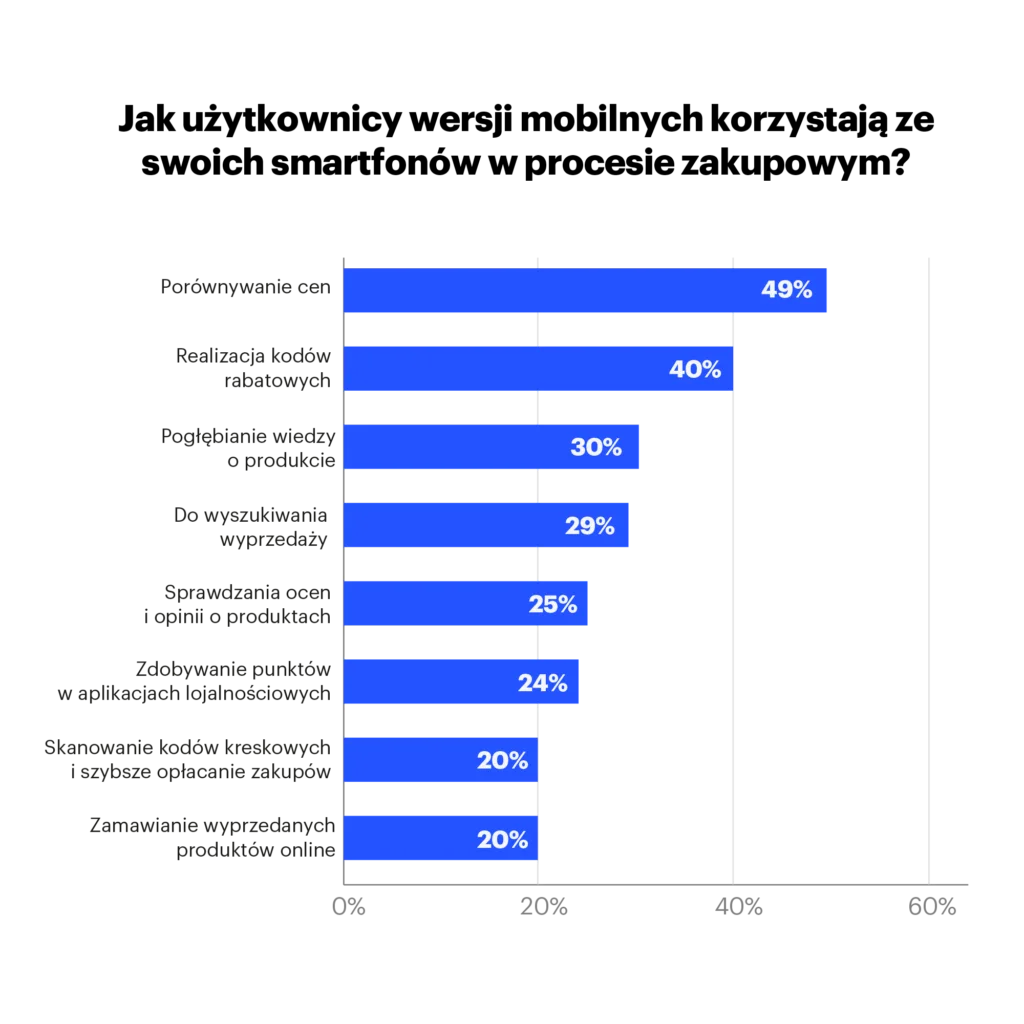
Why is it worth promoting the installation of a mobile app? 50% of users rely on it to compare prices, but that isn't the most important thing. 25% install apps in order to actively use loyalty programs.
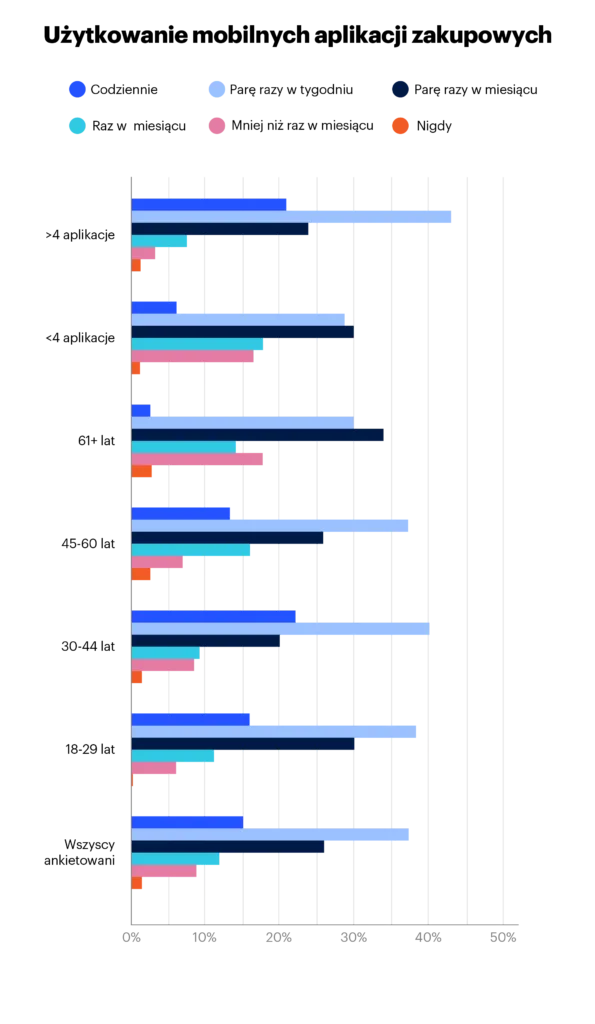
Customers who have the app tend to return to it very frequently over the course of a week. With a mobile app, the number of orders shows the best result.

05 What are some examples of mobile app marketing?
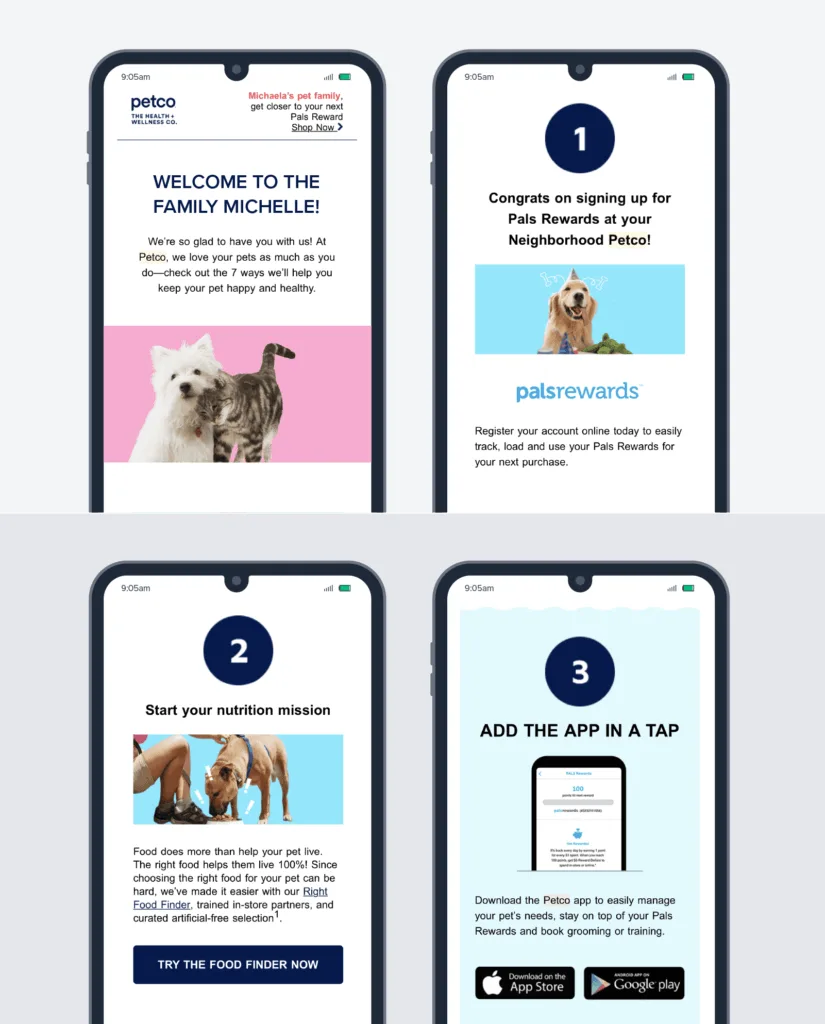
We've described two specific examples that encourage the customer to download the mobile app, but do so in a way that isn't overly direct. This can be a more effective tactic than blasting out plain SMS or emails asking people to install the app in exchange for a coupon on their next purchase.
One online store explains in a few steps that its app will help a pet owner manage their four-legged friend's needs. It also lets them book a dog groomer or a session with a behaviorist.
Starbucks, on the other hand, tells the customer that it's about to release a new Android app and encourages them to download it. It doesn't do this in a direct way, though: it simply presents the concrete benefits of having the app.
06 Summary
In e-commerce, a mobile app delivers something no other channel can - direct, ongoing contact with the customer, geolocation and a higher purchase frequency. The most effective way to encourage the download is right after a purchase, foregrounding concrete benefits instead of a dry request to install. In "difficult" industries, an app is sometimes the only channel available at all, which is why it's worth deliberately building its user base.