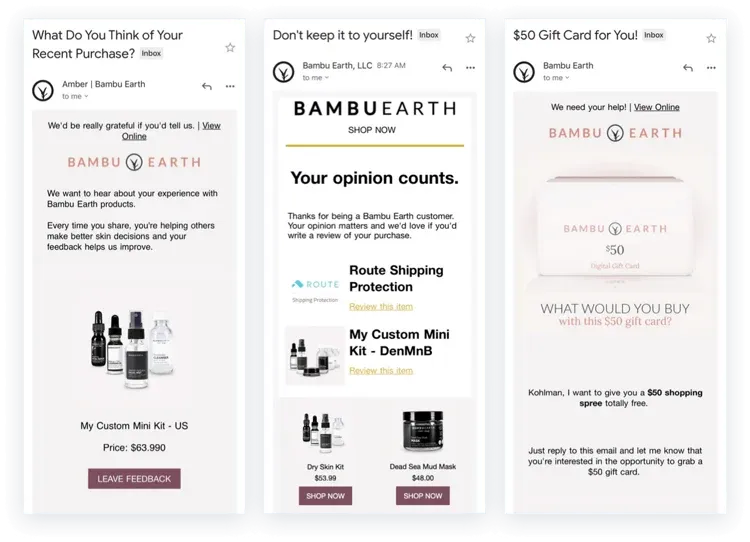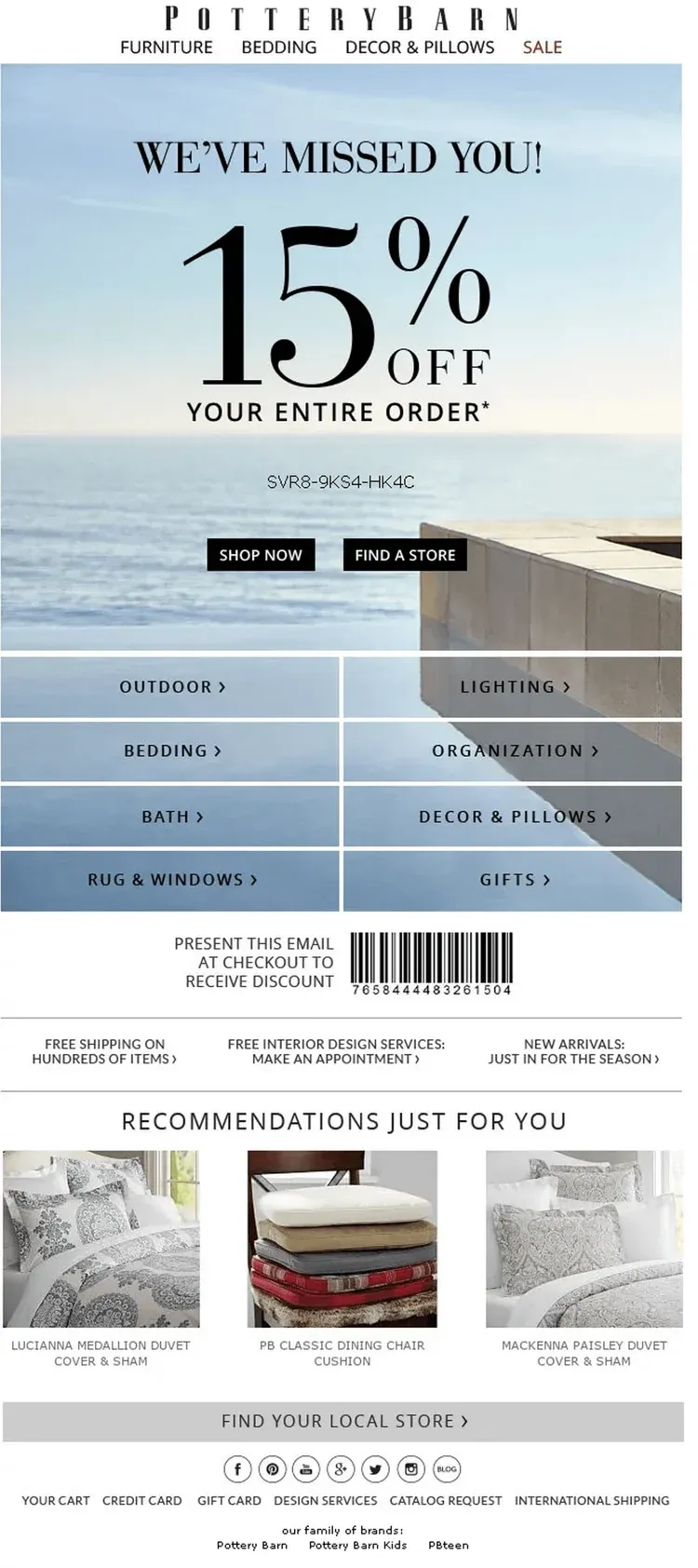
The scenario presented here identifies inactive contacts and recommends products by email to effectively win back lost customers.
Table of contents
- 01 What are the benefits of winning back inactive customers?
- 02 How does the inactive customer win-back scenario work?
- 03 Which industries does the inactive customer win-back scenario work best in?
- 04 Summary
01 What are the benefits of winning back inactive customers?
The benefits of implementing a scenario for inactive customers:
- higher retention rate,
- reduced customer churn,
- a positive impact on customer loyalty (reactivated customers have a basket up to 3 times larger than new customers),
- lower cost of acquiring a new customer,
- higher customer lifetime value (LTV).
02 How does the inactive customer win-back scenario work?
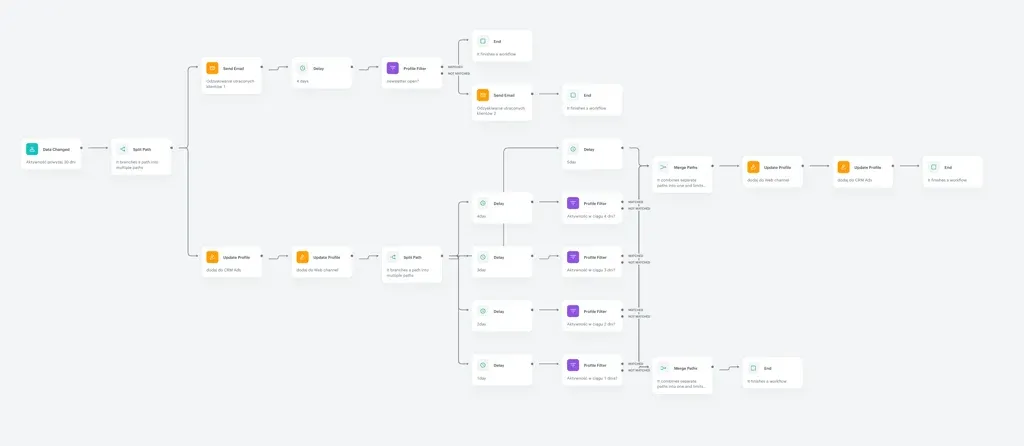
When your customers stop buying, you should try to win back their interest. If the first message proves ineffective, the scenario automatically moves on to the next one.
Here is the scenario in a few steps:
First email - you can set the optimal time window for a specific segment, for example based on a given customer's average time between purchases. If your sending tool allows it, you can also use prediction. This will automatically trigger the scenario for inactive customers once the date of their next expected purchase has passed.
Second follow-up message - you can send it as early as 48 hours after the first email. It is worth splitting the communication path depending on the customer's earlier reaction. If the message was not opened, we recommend changing the subject line in the follow-up. For people who opened the message but did not respond despite receiving a coupon for their next purchase, it is worth asking why they did not take up the offer and what influenced that decision.
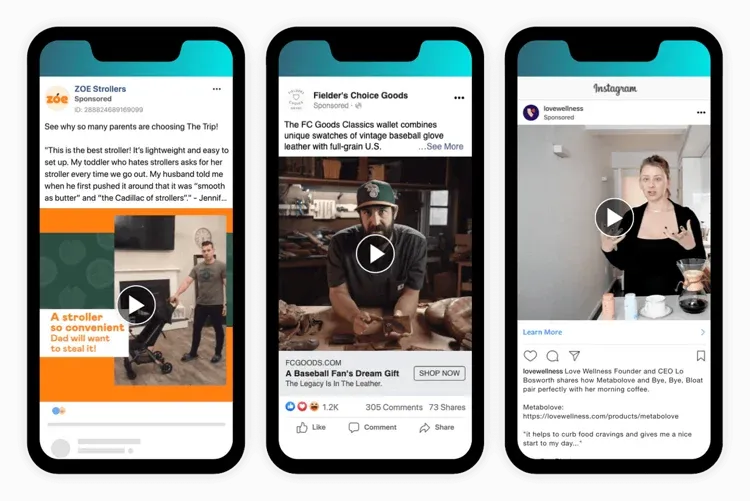
Third message - you can try sending another message using the Facebook integration. It "retargets" customers, for example by showing them a new collection, a bestseller, or the deal of the day, or by letting them know a new category has launched.
It is also worth considering the following suggestions:
- Build a retention analysis to understand exactly how often customers return to your store.
- Test other available communication channels as well, such as SMS or Web Push.
- Also send a goodbye email to customers who show no interest.
- With advanced AI predictions, you can choose the optimal send time for each customer individually.
- Send products from the customer's most recently purchased category.
03 Which industries does the inactive customer win-back scenario work best in?
Essentially any industry where a customer makes a one-off purchase and does not return for the next few years. Examples:
- fashion,
- pet stores,
- bookstores,
- footwear stores,
- the gardening industry,
- games and computers,
- telecommunications,
- furniture and interior decor stores,
- cosmetics and beauty.
04 Summary
Winning back inactive customers is one of the most profitable scenarios in e-commerce - a reactivated customer can be worth more than a newly acquired one, and the cost of reaching them is lower. The key is well-planned, multi-stage communication (email, follow-up, retargeting) based on data about customer behavior and supported by AI predictions. Test different channels and send times to find what works best in your industry.