

An email address is one of the most valuable assets in e-commerce - it lets you return to a customer long after they've left your store. The problem is that most visitors disappear after a single visit. A newsletter sign-up is a way to turn anonymous traffic into a contact you can come back to with an offer. Below, we show you how to collect marketing consent effectively.
Table of contents
- 01 What are the low-friction ways to sign up for a newsletter?
- 02 How to increase the number of newsletter sign-ups?
- 03 How to use a pop-up for newsletter sign-ups?
- 04 How to collect additional customer information at sign-up?
- 05 Summary
01 What are the low-friction ways to sign up for a newsletter?
You can do this in a low-key way, simply by letting users enter their email address in a dedicated spot. The most common, most frequently used spot in e-commerce is the footer, where a sign-up option to receive the newsletter is made available.
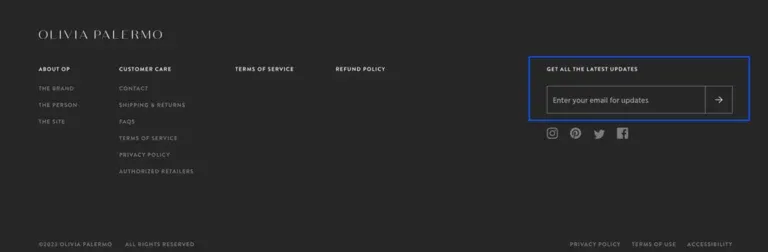
Once marketing consent is given, a confirmation message appears indicating that consent has been granted.
02 How to increase the number of newsletter sign-ups?
It's worth drawing inspiration from an example in which the newsletter sign-up is visible not only in the footer but also at the top of the page next to the login and cart options, or set apart as a separate option in the menu.
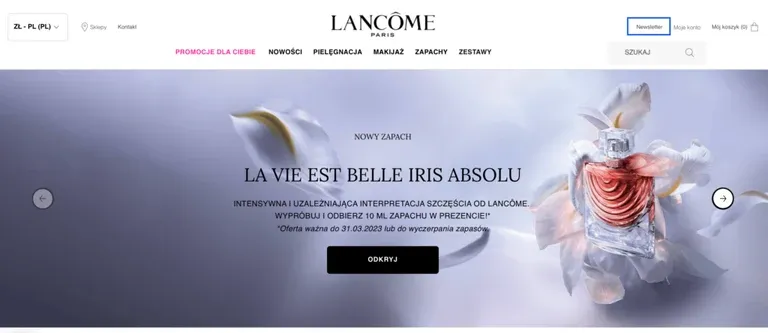
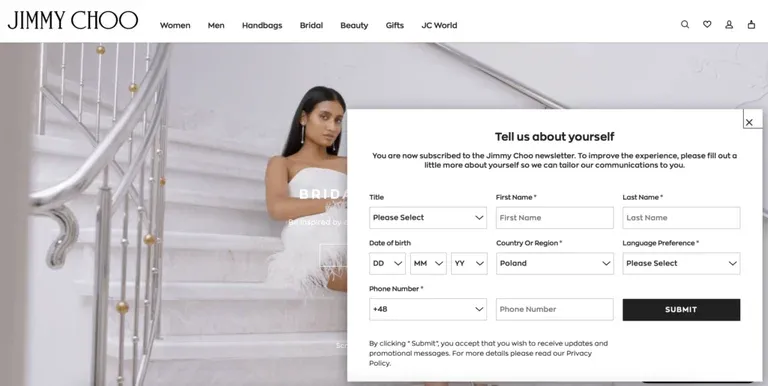
This option is clearly visible, catches the eye and increases your chances of acquiring new subscribers. At sign-up, it's worth asking for the customer's first name and date of birth:
- First-name data lets you personalize communication.
- The date of birth is used for occasional birthday promotions (a discount on purchases on the customer's birthday).
- The date of birth is also valuable information for personalizing your offer - a user's age allows for a better fit, for example in cosmetics (Beauty) or product styles (Fashion).
After the user enters their email address, a pop-up confirming the newsletter sign-up usually appears.
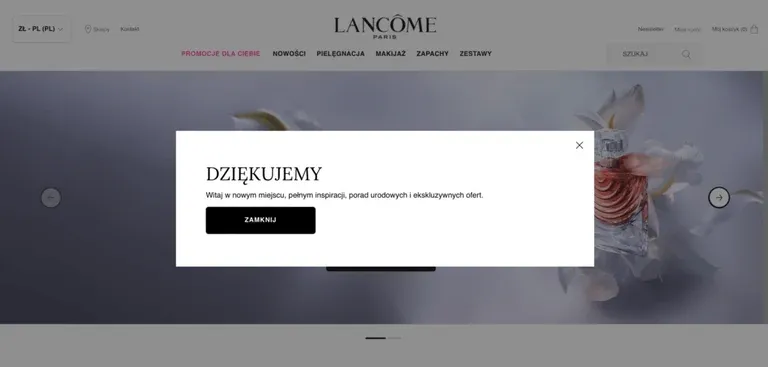
03 How to use a pop-up for newsletter sign-ups?
A more frequently used method of obtaining newsletter consent is a pop-up that appears after the visitor lands on the website. It can take various forms (size, content) and placements.
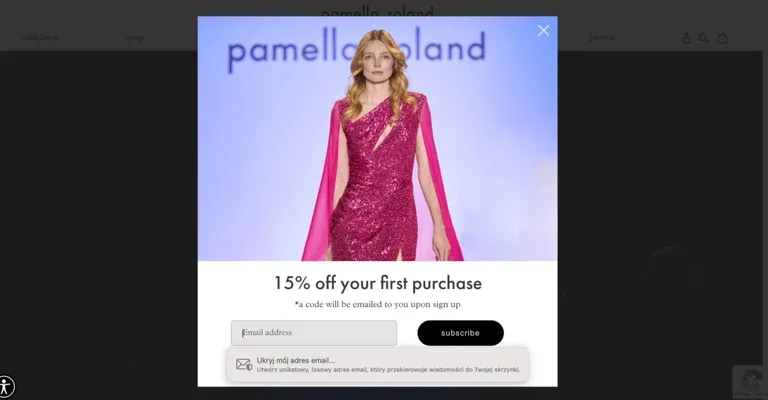
Most often it's positioned centrally, in the middle of the screen, in a large format. In this approach, attention is drawn by the visual form and, very often, by the benefits of subscribing to the newsletter. The most common of these is simply a discount on the first purchase.
04 How to collect additional customer information at sign-up?
The pop-up can also be placed in a selected section of the homepage. For a luxury brand, the benefit for a subscriber might be early access to new collections and participation in brand events - it doesn't always have to be a discount.
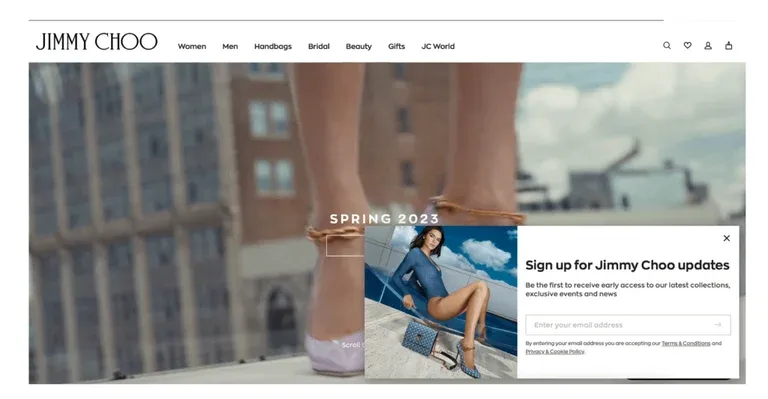
The consent process can span two steps. After entering their email address, the user fills in additional information used to personalize communication, such as gender category. Collecting this information makes it possible to personalize the content on the site and to send newsletters with offers from the category the user is interested in.
05 Summary
A newsletter sign-up is the first step toward building a lasting relationship with a customer who would otherwise disappear after a single visit. The key is the visibility of the form (not just in the footer), a real benefit in exchange for signing up - such as a discount on the first purchase - and collecting a few extra pieces of data (first name, date of birth, gender) that let you personalize communication right away. The better you tailor your message to the subscriber, the greater the chance they'll come back and buy.