

How can online stores gain a competitive edge? Below we present two of the key strategies that will help drive a company's revenue growth. We're talking about up-selling and cross-selling.
Table of contents
- 01 Up-selling - what is it?
- 02 Cross-selling - what does it mean?
- 03 Why use cross-selling and up-selling?
- 04 How do cross-selling and up-selling help increase sales in e-commerce?
- 05 At what stage of the purchase journey is it worth applying cross- and up-selling techniques?
- 06 How to use cross- and up-selling strategies skillfully?
- 07 Increasing e-commerce sales with cross-selling and up-selling
01 Up-selling - what is it?
Up-selling is a technique that involves offering the customer a more expensive, more advanced, or improved product within the same category they intend to purchase. This type of sale is also referred to as a complementary form.
Up-selling is applied before the customer makes a purchase, in order to present them with other (better-suited) options. Keep in mind that the price of the proposed product should not significantly exceed the original amount.
02 Cross-selling - what does it mean?
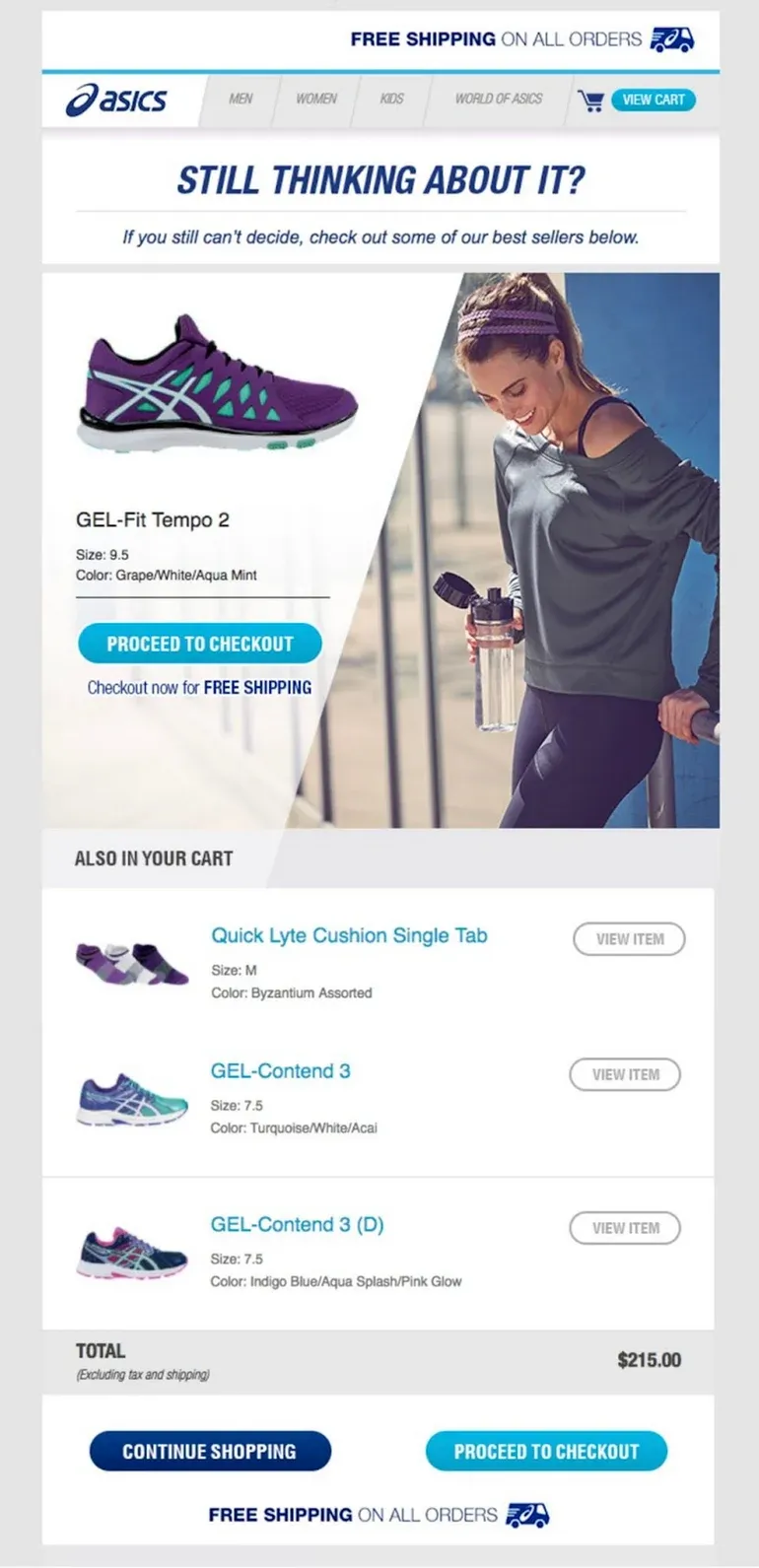
Alongside up-selling, an equally important sales strategy is the cross-selling form, sometimes called the cross, additional, or complementary sale. It is most often used when serving loyal customers, but not only. Most commonly, cross-selling is applied during the purchase journey and at its various stages. The cross-selling strategy consists of proposing additional products or services to the customer within a single transaction. The goal is to supplement the user's cart with an additional product that may come in handy in combination with the one originally selected - for example, when buying footwear, an extra pair of laces, shoe-cleaning products, or other care items will come in useful.
As an additional example, consider the sale of a car. Dealerships often offer a service package, an extra set of tires, or other components that will sooner or later prove useful during use. Another example is buying a bike. As part of a cross-selling sale, additional accessories such as a helmet, protective pads, or a water bottle for the bike would be proposed. As yet another example from a different industry, take the McDonald's chain. When moving on to complete the order, the customer is shown, in graphic form, a suggestion to buy additional products to go with the ones previously selected. For example, choosing an extra drink, dessert, or sauce. These are classic examples of applying the cross-selling technique dedicated to a specific segment of users. In e-commerce, this can happen in a similar way. Before finalizing the order, the customer is shown additional products that may also prove useful while using the ones originally selected. They can be proposed, among other things, in the form of recommendation frames based on products that other users bought together with that specific product.
03 Why use cross-selling and up-selling?
Beyond the definitions and examples above, meant to illustrate the specifics of cross- and up-selling, it is also worth considering the purpose for which they can be used. Among other things, cross-selling strategies primarily serve to:
Cross-selling strategies primarily serve to:
- increase profits,
- increase the customer's interest in the store's wide offering,
- retain the user.
In the case of up-selling strategies, we can observe above all:
- an increase in cart value,
- work on building user loyalty,
- a rise in customer satisfaction.
04 How do cross-selling and up-selling help increase sales in e-commerce?
In addition to the main benefits of using these sales tactics above, there are also several extra ones. Among them:
Reducing customer churn
Thanks to the potential boost in user loyalty, a company can at the same time reduce the costs associated with losing customers.
Increasing return on investment (ROI)
Both strategies require the company to understand the customer's needs. Once you have this data, you should offer them products that will be added value for them.
Increasing customer lifetime value (CLV)
It is especially worth taking care of existing customers. They know the brand and have a positive experience with the store, while at the same time being more inclined to make a repeat purchase.
05 At what stage of the purchase journey is it worth applying cross- and up-selling techniques?
The strategies presented above should be carried out primarily while the user is placing an order, before its final completion. However, based on the collected data and the user's activity, recommendations can also take place at an earlier stage.
The up-selling technique
The up-selling technique is used mainly during the purchasing process itself, before the consumer makes a purchase and finalizes it by completing the payment. The goal is to attempt to change the decision and recommend choosing a higher-class product.
The cross-selling technique
Cross-selling can be applied both while placing an order in an online store and after the customer has made a purchase.
06 How to use cross- and up-selling strategies skillfully?
Choosing the more effective method
If a customer has arrived at an online store and added a product to the cart, the key will be choosing the one technique that, in a given situation, is the more sensible solution.
Relevance of recommendations
When proposing another or an additional product to the user, you should take into account their shopping preferences and current needs. That is why it is worth observing their activity on the site, their interests, the brands they choose more readily, or the cyclical nature of their purchases. Thanks to this, the suggestions will be matched in a much better and more accurate way. This, in turn, will contribute to a positive customer experience when placing an order.
Honest conduct
When selling and running a business in e-commerce, it is worth taking care of good relationships with the customer in order to earn their trust. Therefore, the more honest the offer presented during shopping, the greater the likelihood that a valuable and lasting relationship with the consumer will be built. Accordingly, in using cross- and up-selling strategies, a brand must be sincere in its communication with the customer - also when it comes to presenting the price - transparency in this respect will positively influence the effectiveness of the transaction.
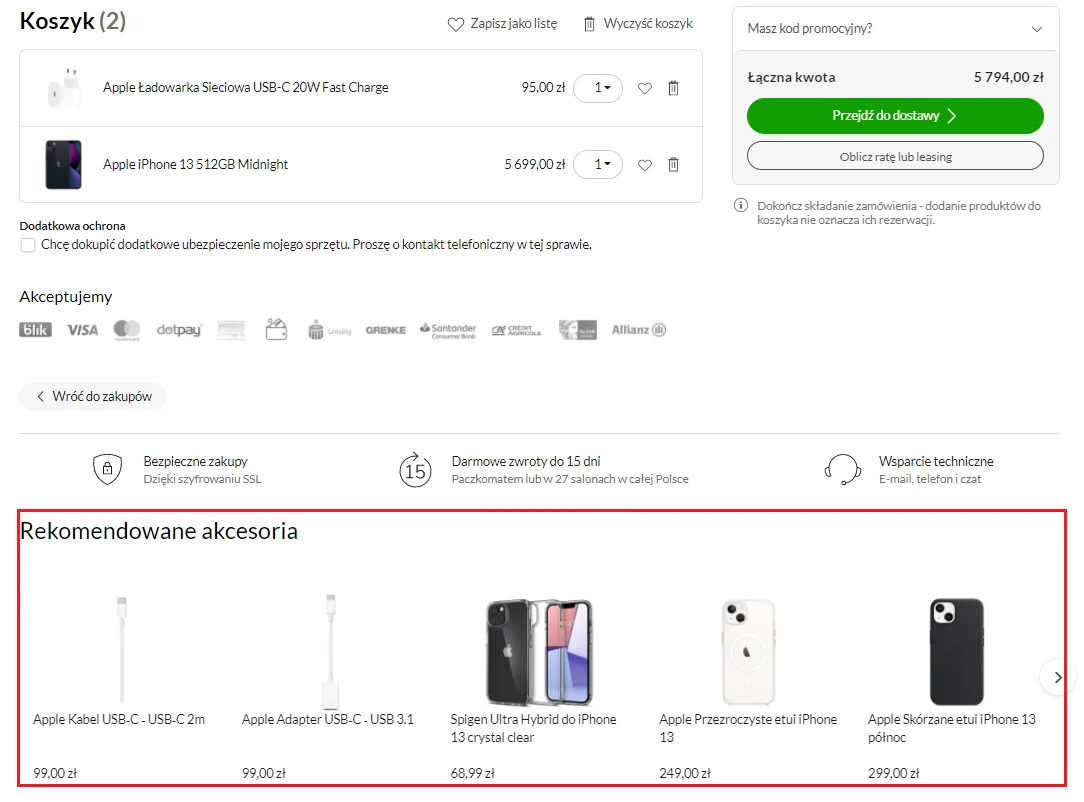
Carousel of similar products
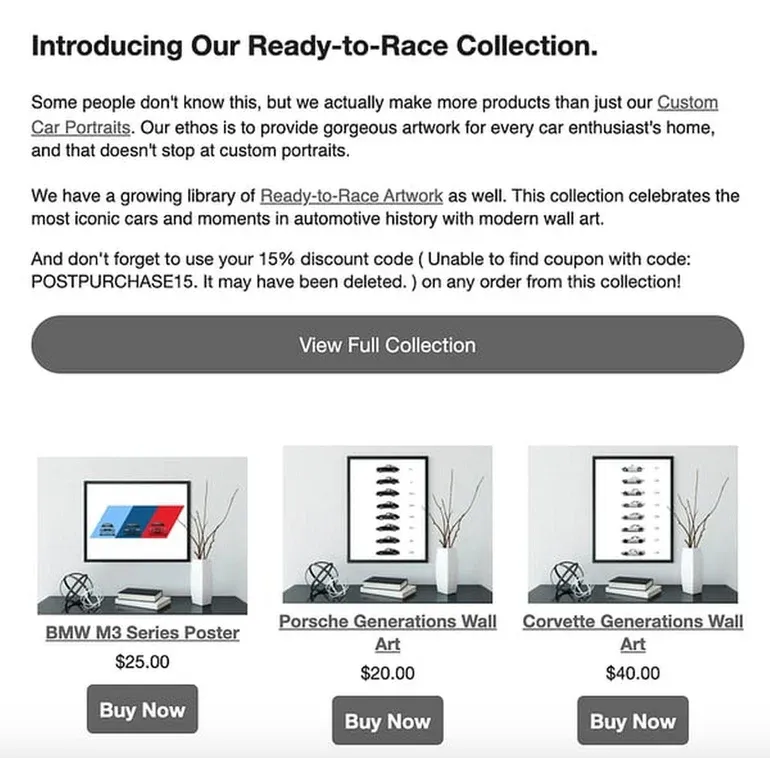
Many e-commerce stores use this tactic, applying both the cross-selling strategy, i.e. cross sales (offering complementary products - e.g. a gift box for jewelry), and the up-selling technique (proposing a newer computer model or a more modern version of headphones). Why? Because it is exceptionally effective. A product carousel works not only on social media, but also on specific subpages. When a user adds a product to the cart or views one, other recommended products are automatically displayed to them with a note such as "See also…" or "Other customers also bought…". Messages of this kind are used not only to trigger social proof, but also to further motivate larger purchases.
Presenting the advantages and value of the proposed product
Simply recommending an improved product or proposing to add something else to it may prove insufficient. That is why you should present the customer with the value and additional advantages resulting from a better and/or more expensive offer. To this end, you can use an additional feature such as a comparison tool for several models, present other users' reviews of the product, or display a rating on a scale. This will help the user visualize the benefits of purchasing the products the company proposes through up-selling or cross-selling.
07 Increasing e-commerce sales with cross-selling and up-selling
Cross-selling and up-selling are two complementary strategies that - when applied thoughtfully - genuinely increase sales in e-commerce. Up-selling raises the cart value by proposing a better product variant, while cross-selling expands the order with complementary products. The key to their effectiveness is the relevance of recommendations based on the customer's real needs, honest and transparent communication, and a clear presentation of the value of the proposed offer. Implemented at the right stage of the purchase journey, they not only increase the average order value but also build a positive experience and loyalty, translating into higher CLV and a better return on investment.